

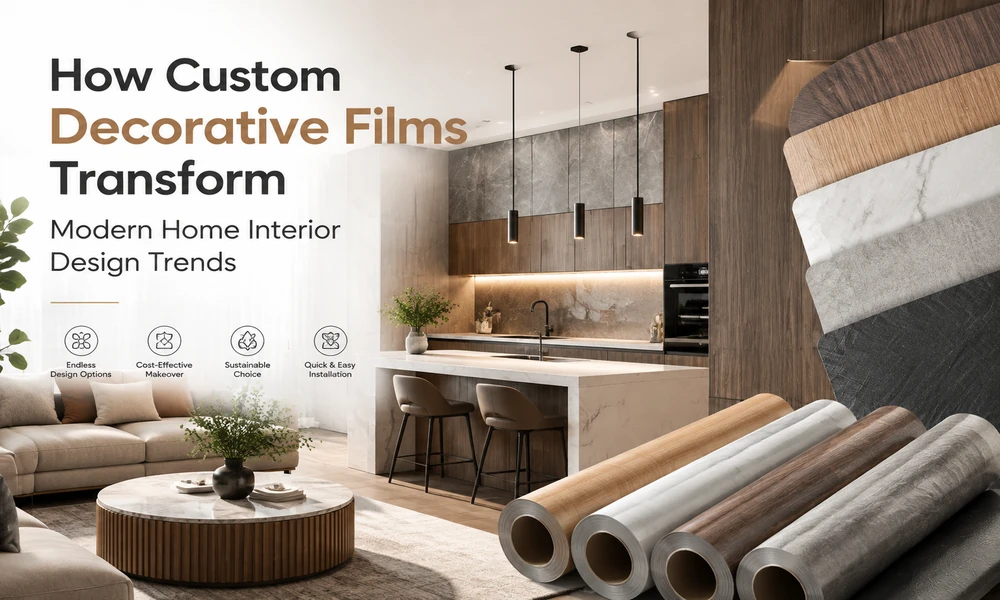
Modern home interior design is evolving rapidly as homeowners, architects, and designers seek materials that combine aesthetics, functionality, sustainability, and personalization. Traditional materials such as wood, stone, metal, and paint remain popular, but they often come with limitations in cost, installation complexity, and design flexibility. Custom decorative films have emerged as an innovative solution, offering a versatile way to transform interior spaces while meeting the growing demand for unique and practical design solutions.
From furniture surfaces and wall panels to glass partitions and cabinetry, decorative films are reshaping how modern homes are designed. With advanced printing technologies, realistic textures, and customizable patterns, these home decorative films allow homeowners to achieve premium visual effects without expensive renovations.
The Rise of Personalization in Home Interior Design
One of the biggest trends in modern interior design is personalization. Homeowners increasingly want spaces that reflect their lifestyles, personalities, and aesthetic preferences. Mass-produced interior materials often cannot provide enough flexibility for unique design concepts.
Custom decorative films solve this challenge by allowing designers to create tailored surface solutions. Whether a homeowner prefers a natural wood appearance, luxury marble texture, industrial metal style, or artistic graphic patterns, decorative films can reproduce almost any visual effect.
For residential projects, customization enables designers to develop coordinated designs across multiple areas, including:
- Kitchen cabinets and countertops
- Wardrobes and storage systems
- Interior doors
- Wall panels
- Furniture surfaces
- Glass decorations
- Home office spaces
This flexibility supports modern design concepts where every detail contributes to a unified interior style.
Creating Premium Looks with Cost-Effective Materials
High-end interior materials often require significant investment. Natural stone, solid wood, and specialty finishes can increase renovation costs while also requiring professional installation and maintenance.
Custom decorative films provide an alternative approach by delivering similar visual effects at a more affordable price. Advanced surface technologies allow films to imitate premium materials such as:
- Natural oak and walnut wood grain
- Marble and stone patterns
- Brushed aluminum and metal finishes
- Concrete textures
- Fabric and leather surfaces
For example, a simple cabinet system can be transformed into a luxury-looking feature with a matte PVC film. Similarly, interior walls can achieve a stone or marble appearance without the weight and installation challenges associated with natural materials.
This cost advantage makes decorative films especially attractive for residential renovation projects, apartment developments, hotels, and commercial interiors.
Supporting Sustainable Interior Design Trends
Sustainability has become a major consideration in modern home design. Many homeowners and designers are looking for ways to reduce waste and improve material efficiency.
Custom decorative films support sustainable design by extending the lifespan of existing furniture and interior surfaces. Instead of replacing cabinets, doors, or panels, homeowners can refresh their appearance through surface renovation.
Benefits include:
- Reduced construction waste
- Lower consumption of natural resources
- Less demolition during remodeling
- Longer service life of existing furniture
For example, outdated kitchen cabinets can be updated with a modern decorative film finish instead of being completely replaced. This approach aligns with the growing trend of circular design and environmentally responsible renovation.
Enhancing Modern Minimalist and Luxury Styles
Modern interior design often focuses on clean lines, simple forms, and carefully selected textures. Decorative films provide designers with the ability to create sophisticated surfaces that match these styles.
For minimalist interiors, neutral decorative films featuring soft wood grains, matte finishes, and subtle textures can create warm and comfortable environments. For luxury interiors, high-gloss marble patterns, metallic effects, and customized artistic designs can create dramatic visual impact.
Popular applications include:
Minimalist Homes
Minimalist designs often use natural colors and simple textures. Decorative films can add warmth to white or gray spaces through realistic wood finishes and soft-touch surfaces.
Modern Luxury Interiors
Luxury residential projects frequently require unique decorative elements. Custom printed films allow designers to create exclusive patterns, premium textures, and personalized visual effects.
Smart Home Environments
As smart home technology becomes more common, decorative films help integrate technology with interior aesthetics. Films can be applied to panels, control surfaces, and furniture components to maintain a consistent design language.
Expanding Design Possibilities Through Advanced Printing Technology
The development of digital printing technology has significantly expanded the capabilities of decorative films. Manufacturers can now produce highly detailed patterns, customized colors, and realistic textures that were difficult to achieve in the past.
Modern decorative films can offer:
These improvements make decorative films suitable for demanding residential environments, including kitchens, bathrooms, living rooms, and high-traffic areas.
Improving Renovation Efficiency
Another reason decorative films are gaining popularity is installation efficiency. Traditional renovation methods often require extensive preparation, skilled labor, and long project timelines.
Decorative films provide a faster transformation process. Depending on the application, surfaces can often be upgraded without removing existing structures. This reduces downtime and minimizes disruption for homeowners.
For renovation companies and interior designers, decorative films create new business opportunities by offering quick makeover solutions for residential clients.
