

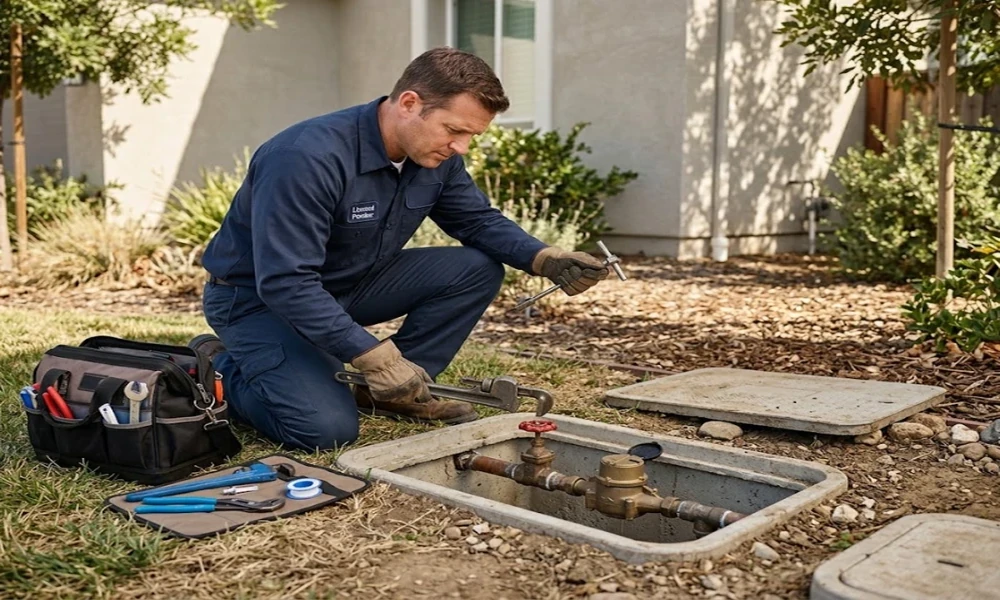
Walk down the basement stairs in most homes around Chicago and you are standing in the busiest plumbing room in the house. Kitchens and bathrooms get the attention, but the basement holds the water meter, the main shutoff, the water heater, the sump pit, the floor drain and the pipe that carries every flush out to the street. When something goes wrong down there, it rarely stays small.
That is why homeowners who learn their basement layout tend to catch problems earlier and spend less fixing them. Technicians at Vertical Plumbing work in south suburban basements every week, and the pattern they see is familiar. Trouble usually announces itself weeks before the flood, through a slow drain, a damp corner or a pump that cycles more often than it should.
The region itself explains a lot. Much of Chicagoland sits on flat, low ground with heavy clay soil, so water lingers around foundations. Winters push frost deep, and spring storms can dump inches of rain in a single afternoon. Every one of those conditions lands on the lowest level of the house first.
Where Your Basement Water Actually Goes
Every drain in your home feeds a single pipe that leaves through the foundation. That private line, called the lateral, belongs to the homeowner until it meets the sewer under the street.
According to the Metropolitan Water Reclamation District’s explanation of how local sewers work, most sewers in the Chicago area are combined systems. They carry household wastewater and rainwater in the same pipes.
When a storm sends more water into those pipes than they can move, the level rises. The lowest openings connected to the system are usually basement floor drains. A blockage or crack in the lateral, often caused by tree roots or shifting clay pipe, makes the problem worse.
The Sump Pit Is a Separate System
Many people assume the sump pump and the floor drain do the same job. They don’t.
The floor drain connects to the sewer. The sump pit collects groundwater from drain tile around the footings and pumps it outside, away from the foundation.
That difference matters during a storm. A sump pump can’t stop sewage from rising through a floor drain, and a backwater valve can’t stop groundwater from seeping through the walls. Homes in low spots often need both kinds of protection.
Sump pumps also wear out without much warning. Many last somewhere around seven to ten years, and the float switch is often the first part to fail. A battery or water powered backup pump covers the two situations behind most failures: a dead primary pump and a power outage in the middle of a thunderstorm.
A Ten Minute Check Worth Doing Each Spring
Before storm season, a short walk around the basement reveals most warning signs:
- Pour a bucket of water into the sump pit and watch the pump start, empty the pit and shut off cleanly.
- Look at the discharge line outside and make sure it isn’t crushed, blocked or dumping water right beside the foundation.
- Run water into the floor drain and listen for gurgling or slow draining.
- Check the base of the water heater for rust, drips or a wet drain pan.
- Turn the main shutoff valve slightly to confirm it still moves.
- Notice any sewer odor, which can point to a dried out trap or a cracked pipe.
None of these steps needs tools. Each one tells you whether a piece of equipment is ready for the next heavy rain or quietly waiting to fail.
Backflow Protection Comes in Two Main Forms
Homes with a history of sewer backups usually choose between a backwater valve and an overhead sewer.
A backwater valve is a one way gate installed in the lateral. Water leaves the house normally, but when the sewer surges, a flap closes and blocks the reverse flow. It needs periodic cleaning so debris doesn’t hold the flap open at the worst moment.
An overhead sewer takes a different approach. Basement fixtures drain into a sealed ejector pit, and a pump lifts that wastewater up to a line that exits the house above the level where street sewers typically back up. It costs more and involves more work, but it gives finished basements with bathrooms or laundry a higher level of protection.
Some Chicago area villages have offered cost share or grant programs for these upgrades. Checking with your municipality before hiring anyone can save real money, and some programs require approval before work begins.
The Water Heater Corner Deserves Attention Too
Tank water heaters in this region work hard. Incoming water is very cold in winter, so the burner runs longer, and minerals settle on the tank floor as sediment.
Flushing the tank once a year slows that buildup. A popping or rumbling sound during heating usually means sediment is already thick.
Most tank heaters last roughly eight to twelve years. Past that point, a leak becomes a matter of time, and a failed tank in a finished basement can soak carpet, drywall and storage boxes before anyone notices. Tankless units save floor space and often last longer, though they still need regular descaling, especially in homes with hard water.
Small Habits That Take Pressure Off the Sewer
Because rainwater and household water often share the same pipes, what happens inside the house during a storm matters. The district’s Overflow Action guidance asks residents to hold off on laundry, dishwashers and long showers during heavy rain, since every gallon kept out of the system lowers the strain on local sewers.
Other habits help all year. Keep wipes, grease and paper towels out of drains, since they collect in laterals and trap other debris. Insulate pipes that run along exterior walls or the rim joist, where cold air sneaks in. Disconnect garden hoses before the first hard freeze so outdoor spigots can drain properly.
Water softeners and filtration systems, common in homes with hard well or municipal water, also live in the basement. Their drain lines and brine tanks deserve the same occasional look as everything else down there.
Reading the Signals Before They Become Emergencies
A basement rarely fails all at once. Stains near the floor drain, a sump pump that runs on dry days, a sewer smell after rain or a water heater that sounds like it is boiling gravel are all early messages. Paying attention to them turns a weekend emergency into a scheduled repair.
The homeowners who come through Chicagoland storms in the best shape tend to share one trait. They know where every valve, pit and pipe sits on the lowest level of their home, they test their equipment before they need it, and they call for help while a problem is still small enough to fix calmly.
