

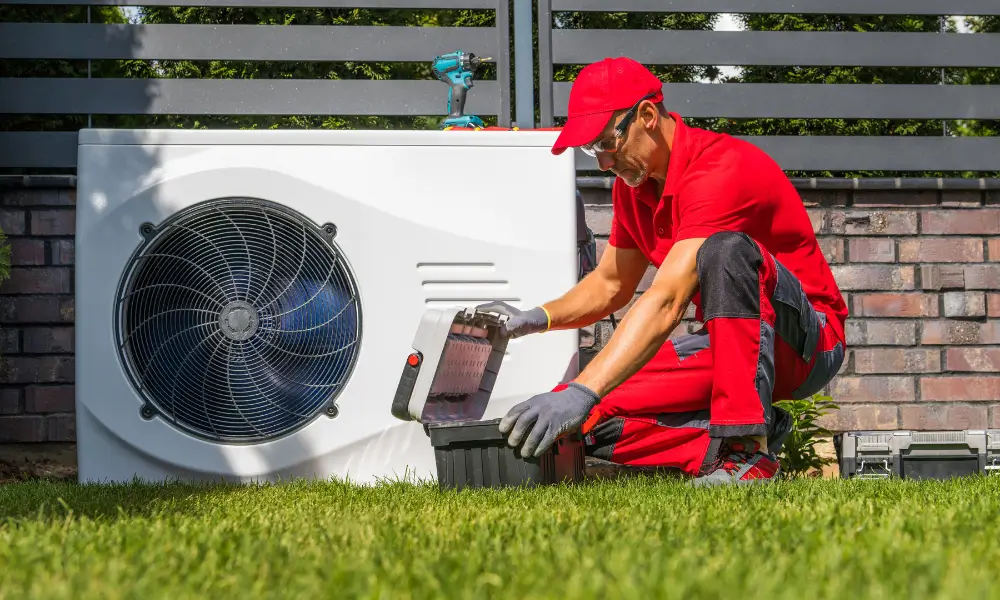
Your heating system is a long-term investment, not a short-term appliance. With the right maintenance habits, you can extend its lifespan by years, reduce energy costs, and avoid unexpected breakdowns—often with simple steps that take very little time or effort.
A heating system works hardest when you need it most. During the colder months, it runs daily, sometimes for extended periods, to keep your home comfortable. Over time, that workload adds stress to internal parts. Without regular care, even a well-built system can wear out sooner than expected.
Homeowners who prioritise heating system maintenance in Mokena, IL often see a clear difference in performance, reliability, and operating costs. Regular maintenance is not about fixing problems after they happen—it is about preventing them altogether.
This guide explains how consistent maintenance extends the life of your heating system, what tasks matter most, and how small actions can deliver long-term benefits.
Why Heating System Maintenance Matters More Than You Think
Many heating systems fail early not because they are poorly made, but because they are neglected. Dust buildup, airflow restrictions, and worn components quietly reduce efficiency year after year.
Regular maintenance helps to:
- Reduce strain on critical parts
- Improve energy efficiency
- Maintain consistent heat output
- Prevent sudden breakdowns
When a system runs smoothly, it does not have to work as hard to heat your home. Less strain means fewer repairs and a longer lifespan.
How Regular Maintenance Extends System Lifespan
Heating systems are designed with a specific service life in mind. However, that lifespan assumes proper care. Without maintenance, parts wear faster, and small issues escalate into major failures.
Well-maintained systems last longer because:
- Moving parts stay clean and balanced
- Heat transfer remains efficient
- Electrical and control components operate correctly
- Airflow stays consistent
Over time, these factors combine to add years to the system’s usable life.
Key Maintenance Tasks That Make the Biggest Difference
Not all maintenance tasks deliver equal value. Some actions have a direct and immediate impact on system health.
Replace or Clean Air Filters Regularly
Air filters protect your heating system from dust and debris. When filters clog, airflow drops, forcing the system to work harder.
Benefits of clean filters include:
- Better airflow
- Lower energy use
- Reduced wear on the blower
Checking filters monthly during heating season is one of the simplest ways to protect your system.
Keep Vents and Registers Clear
Blocked vents restrict airflow, causing uneven heating and system strain.
Make sure to:
- Keep furniture away from vents
- Avoid closing too many registers
- Clean vents periodically
Balanced airflow helps the system heat efficiently and evenly.
Schedule Annual Professional Inspections
While homeowners can handle basic upkeep, professional inspections are essential for deeper system health.
Annual maintenance typically includes:
- Component inspection
- Safety checks
- Performance testing
- Minor adjustments
These inspections identify issues early, before they cause damage.
The Role of Preventive Maintenance in Reducing Repairs
Most major heating system failures begin as minor issues. A loose connection, a worn belt, or restricted airflow may seem harmless at first.
Preventive maintenance:
- Catches problems early
- Reduces emergency repairs
- Keeps repair costs predictable
Over time, homeowners who maintain their systems spend less on repairs than those who wait for problems to appear.
How Maintenance Improves Energy Efficiency
Efficiency and lifespan are closely linked. When a system loses efficiency, it works longer and harder, accelerating wear.
Maintenance improves efficiency by:
- Ensuring proper airflow
- Keeping heat exchange surfaces clean
- Maintaining accurate system controls
Efficient operation reduces both energy bills and mechanical stress.
Seasonal Maintenance: Timing Matters
The best time for maintenance is before peak usage.
Before the Cold Season
Pre-season checks ensure your system is ready for continuous operation.
Focus areas include:
- Heat output testing
- Component inspection
- Thermostat calibration
This preparation prevents breakdowns during the coldest months.
During the Heating Season
Mid-season checks help maintain performance.
Simple actions include:
- Monitoring airflow
- Checking filter condition
- Listening for unusual noises
Early detection prevents larger problems.
Common Maintenance Mistakes to Avoid
Even well-meaning homeowners sometimes harm their systems unintentionally.
Avoid these common mistakes:
- Skipping annual inspections
- Ignoring minor noises or smells
- Using the wrong filter type
- Blocking vents for short-term comfort
Correct habits protect system health and prevent unnecessary wear.
How Home Conditions Affect Heating System Lifespan
Your heating system does not operate in isolation. Home conditions play a major role in how hard it must work.
Factors that increase system strain include:
- Poor insulation
- Drafty windows and doors
- Excessive dust or pet hair
Addressing these issues reduces system workload and extends lifespan.
The Financial Benefits of Regular Maintenance
Maintenance is often viewed as an expense, but it is actually a cost-saving measure.
Long-term financial benefits include:
- Lower monthly energy bills
- Fewer emergency repairs
- Delayed system replacement
Spreading small maintenance costs over time is far less expensive than replacing a system prematurely.
Signs Your Heating System Needs Immediate Attention
Even with regular care, issues can still arise. Watch for warning signs such as:
- Uneven heating
- Rising energy bills
- Unusual noises
- Reduced airflow
Addressing these early prevents further damage.
How Maintenance Supports Comfort and Peace of Mind
Beyond cost savings, maintenance improves everyday comfort.
Well-maintained systems provide:
- Consistent indoor temperatures
- Quieter operation
- Reliable performance
Knowing your heating system is in good condition reduces stress during cold weather.
Long-Term Planning: Maintenance vs Replacement
Maintenance does not eliminate the need for eventual replacement, but it delays it significantly.
Regular care:
- Maximises system value
- Allows time to plan upgrades
- Prevents rushed decisions
This proactive approach benefits both comfort and budgeting.
FAQs: Heating System Maintenance
How often should a heating system be serviced?
Most heating systems should be professionally serviced once a year, ideally before the cold season. Regular annual maintenance keeps components in good condition and helps prevent unexpected breakdowns.
Can regular maintenance really extend system lifespan?
Yes. Consistent maintenance reduces strain on internal parts, improves efficiency, and prevents small issues from becoming major failures. Many systems last several years longer with proper care.
Is filter replacement really that important?
Absolutely. Dirty filters restrict airflow, forcing the system to work harder. Replacing filters regularly is one of the simplest and most effective maintenance steps.
What happens if heating maintenance is skipped?
Skipping maintenance increases the risk of breakdowns, higher energy bills, reduced comfort, and early system failure. Over time, neglected systems cost more to operate and repair.
Does maintenance help with energy savings?
Yes. A well-maintained heating system runs more efficiently, uses less energy, and delivers consistent heat, resulting in lower monthly utility costs.
Wrapping Up:
Extending the life of your heating system does not require complex tools or constant attention. Simple, consistent maintenance habits make a measurable difference. Clean filters, clear airflow, annual inspections, and early response to warning signs all contribute to longer system life and better performance.
By prioritising regular maintenance, homeowners protect their investment, reduce costs, and enjoy reliable comfort year after year.
