

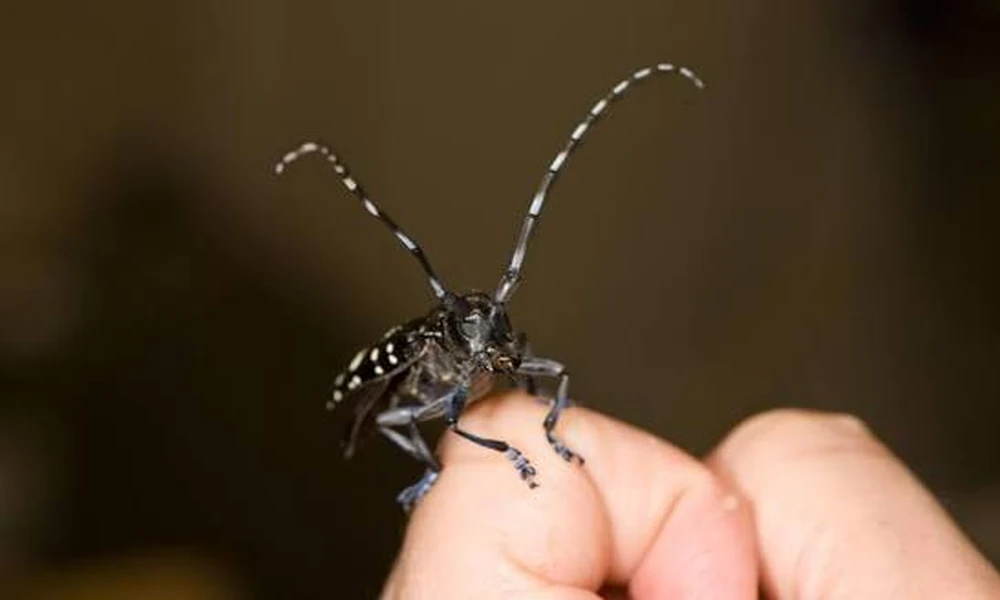
Alabama has a humid subtropical climate from the Gulf Coast to the Tennessee Valley, which keeps pests active for much of the year. The state averages about 56 inches of rain and a mean temperature near 64 degrees. Those averages hide wide differences, because the coast, the central Black Belt, and the northern counties each create their own pest conditions. Effective Alabama pest control depends on matching treatment to the region a home stands in.
The Gulf Coast Faces the Heaviest Pressure
The Gulf Coast has the most pest pressure in the state. Mobile receives about 62 inches of rain a year, among the most of any city in the eastern United States, and its warm nights keep insects active nearly year-round. Mosquitoes breed through most of the calendar in this climate. The Asian tiger mosquito, a daytime biter established across Alabama, is especially active in the humid coastal air. Year-round service fits a coast where pests barely pause.
The coast is also home to the Formosan subterranean termite, which the Alabama Cooperative Extension System calls the most destructive termite in the region. Formosan colonies grow far larger than native colonies and can damage a structure more quickly. Smokybrown and American cockroaches also thrive in the coastal humidity and move indoors in large numbers. Hurricane season brings heavy rain and flooding that leaves water standing for weeks, which raises mosquito numbers after a storm. Homes in Mobile and Baldwin counties need frequent inspection and strong termite protection.
The Black Belt’s Clay Soil and Its Pest Problems
Central Alabama’s Black Belt is a band of dark, alkaline clay formed over soft Selma chalk. The clay drains poorly, so water leaves mainly through evaporation and the ground stays damp after rain. That combination creates several pest problems:
- Subterranean termites. They need contact with wet soil, and the slow-draining clay keeps the ground moist against foundations.
- Moisture pests indoors. Damp crawl spaces draw cockroaches, silverfish, and carpenter ants that look for decaying, humid wood.
- Fire ants in the open. The region’s grasslands suit fire ants, and a disturbed mound can send hundreds of stinging workers out at once near children and pets.
- Mosquitoes from ponds. The clay keeps water well enough that farm ponds are easy to build, and that standing water breeds mosquitoes across the countryside.
A home here needs attention to soil moisture and foundation contact as much as to the insects indoors.
North Alabama’s Cooler Winters Change the Timing
North Alabama, including Huntsville and Birmingham, has colder winters than the rest of the state. January lows fall near freezing, and Birmingham averages about two inches of snow a year, while the coast can go years without any. The northeast highlands see heavier snow every few years, though it seldom lasts long enough to change pest patterns. The cold does not end pest activity. It pushes rodents and overwintering insects indoors as temperatures drop. The active insect season is shorter here than on the coast, but termites, ants, and mosquitoes still return each spring. Even a mild winter can let fleas and cockroaches stay active indoors.
Mice and rats look for warm shelter as the first freezes arrive, and sealing a home in early fall keeps them out through the season. Spring brings a sharp return of termite swarms and ant activity once the ground warms. Elevation in the northeast highlands tempers summer heat, which slows some pests during the hottest weeks.
Threats That Reach Every Part of Alabama
Some pests pressure homes statewide. Subterranean termites stay active year-round across most of Alabama, and the Extension System reports termite territory expanding within the state. Imported fire ants entered the country through the Port of Mobile in the early twentieth century and now reach nearly every Alabama county. Mosquitoes follow the rain everywhere, though the season lasts longest on the coast.
Termites remain the costliest threat. U.S. structural pest control companies provided an estimated 9.6 billion dollars in service in 2020, much of it tied to termite prevention and repair. Palisade Pest Control treats homes across Alabama and adjusts each plan to the pests and climate of the local region. A statewide provider can match the method to where a home stands, from the coast to the valley, and track where new threats like the Formosan termite are spreading inland.
Matching Treatment to the Region
Alabama’s regions call for different priorities. A coastal home fights Formosan termites and near-constant mosquitoes. A Black Belt home contends with damp clay and fire ants in the yard. A northern home prepares for rodents each fall and a shorter but active insect season. A plan built for the local region protects a home better than a generic approach applied the same way everywhere.
