

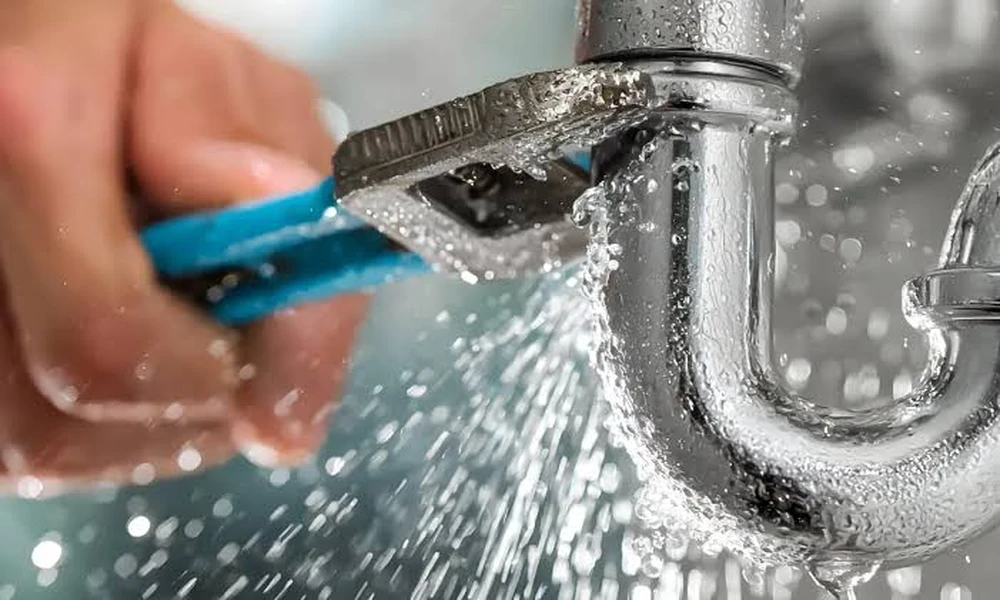
Two repipe quotes for the same house can list the same pipe, the same fixture count and nearly the same price, yet produce very different results ten years later. The gap usually sits in details that never make it onto the first page of an estimate: which valves get replaced, how the new lines travel through the house, whether the material suits the local water, and who closes up the walls afterward.
Those details carry extra weight in Southwest Florida. Many homes here were built on concrete slabs with supply lines buried underneath, attics routinely run far hotter than the living space, and the public water supply is treated in ways that affect some plumbing materials more than others. A homeowner who asks about them before signing gets a system built for the house it is going into.
For homeowners comparing options, the team at twineaglesplumbing.com quotes Entire Home Repiping in Collier County at a flat rate after a free evaluation, backs its labor with a one year warranty and brings more than 15 years of local plumbing work to the job. Booking that evaluation before collecting other bids is a simple way to walk through the six points below with a licensed plumber standing in your own house.
1. The Small Valves at Every Fixture
What gets overlooked. A repipe replaces the lines in the walls, but the angle stops under sinks and toilets, the hose bibs and the water heater connections are sometimes reused to trim cost.
Why it matters. Old compression stops and multi turn valves are a common leak point, and reconnecting new pipe to a worn valve defeats much of the purpose.
What to ask. Confirm every fixture gets new quarter turn stops and that a full port ball valve is installed at the main shutoff. Some homeowners also choose a manifold, which gives each fixture its own shutoff in one location.
2. The Drywall Plan
What gets overlooked. Running new lines through finished walls means cutting access openings, often a dozen or more in a typical single story home.
Why it matters. Many plumbing contractors close the holes with rough patches or leave finishing to a drywall trade. Matching the knockdown and orange peel textures common in Florida homes is its own skill.
What to ask. Get it in writing who patches, who textures and who paints, and plan that trade’s schedule before the plumbing crew arrives.
3. The Certification Printed on the Pipe
What gets overlooked. Homeowners compare PEX, CPVC and copper by price, but rarely check what is stamped on the pipe and fittings themselves.
Why it matters. NSF/ANSI 61 sets minimum health requirements for contaminants that pipes, hoses and fittings can pass into drinking water. Reputable products carry the mark, but bargain fittings bought outside normal supply channels sometimes do not.
What to ask. Look for the NSF 61 marking on the pipe and confirm the fittings and valves carry it as well.
4. How the Material Handles Local Water
What gets overlooked. Water chemistry gets less attention than pipe price, even though it shapes how long any material lasts.
The Collier County angle. The Collier County Water Sewer District’s 2024 water quality report shows the utility disinfects with chloramines, which averaged 3.4 ppm, and adds a corrosion inhibitor to protect pipes. Hardness ranged from 42 to 94 mg/L, soft to moderately hard. Chloramine is tougher than free chlorine on rubber washers and some plastics over the long run, which makes chlorine resistance ratings worth reading.
What to ask. For PEX, check the chlorine resistance rating printed on the pipe, with CL5 being the highest. Homes inside Naples or Marco Island city limits are served by different utilities, so pull that utility’s report instead.
5. The Permit and What It Proves Later
What gets overlooked. A whole house repipe is permitted work under the Florida Building Code. Unincorporated homes go through Collier County’s building department, while incorporated cities run their own permitting.
Why it matters. The permit brings an inspection and a pressure test before walls close. It also creates a record. Florida insurers commonly ask for a four point inspection on older homes, and that inspection notes supply pipe material and age. A finaled permit answers the question cleanly, especially for homes that once had polybutylene, the gray plastic pipe many carriers decline to insure.
What to ask. Confirm the permit is pulled under the contractor’s license and keep a copy of the final inspection.
6. Overhead or Under the Slab
What gets overlooked. The biggest decision on a repipe is often settled without discussion: where the new lines will run.
Why it matters. Original lines in many local homes run beneath the slab, where a pinhole leak means jackhammering tile and concrete. Most repipes abandon those lines and reroute supply overhead through the attic and down the walls, removing the slab from future leak repairs entirely.
The catch. Attic routing puts pipe in one of the hottest spaces in a Florida house. PEX handles heat and movement well but needs proper support, and none of it should be exposed to sunlight near vents. CPVC grows brittle with years of attic heat. Copper tolerates the temperature but costs more and brings its own pinhole history. Lines in the attic should be secured and covered with insulation where possible.
What to ask. Ask to see the routing plan and how far each line runs, since longer runs to distant bathrooms mean longer waits for hot water.
Taken together, these six points explain why two similar quotes can deliver such different houses. Pipe price is the easiest number to compare, but the valves, the walls, the certification, the water, the paperwork and the routing decide whether a repipe is a one time project or the first of several.
