

Some floors quietly do their job. Others walk into a room and immediately steal the show. Herringbone hardwood belongs firmly in the second category.
Its distinctive zigzag pattern adds movement, character, and a touch of sophistication to a space. Straight-plank flooring, meanwhile, offers a clean, timeless look that works beautifully in everything from traditional Toronto homes to modern North York condos.
Both can look fantastic, but their installation costs may differ considerably. If you’re planning a flooring renovation, here’s what to consider before deciding which pattern deserves a place in your home-and your budget.
1. The Pattern Makes a Difference
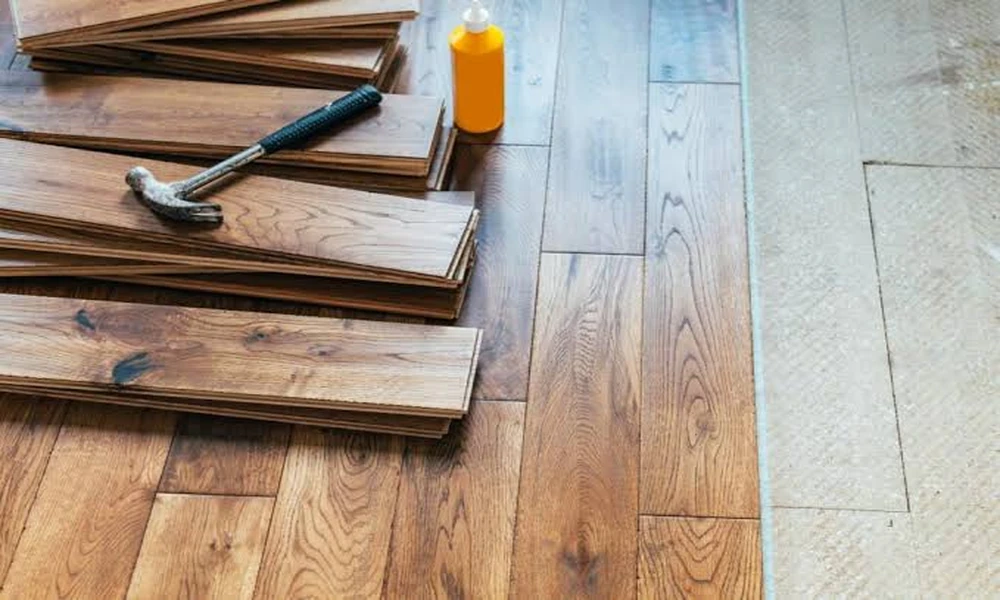
Straight-plank flooring is installed in parallel rows, with boards arranged according to the chosen layout. It is a familiar style that suits many interiors and is generally more straightforward to install.
Herringbone uses rectangular boards arranged at right angles to create a repeating zigzag pattern. The effect is elegant, but achieving it requires careful planning, precise measurements, and consistent alignment.
In other words, straight planks tend to be more forgiving. Herringbone is rather less interested in forgiving anyone’s measuring mistakes.
That additional precision can mean more installation time and higher labour costs.
2. Material Costs and Waste
The price of the hardwood itself depends on factors such as species, finish, board dimensions, and product quality. Choosing herringbone does not automatically mean the flooring material will cost more, particularly if the same suitable product is available in both formats.
However, the pattern can affect how much material you need.
Herringbone installations often involve more cutting and offcuts, particularly in irregular rooms or spaces with numerous corners. Straight-plank installations can also generate waste, but the amount depends on the layout and room dimensions.
Ask your installer to calculate the required quantity for your specific design rather than relying on a generic waste allowance. Ordering too little can delay the project, while ordering too much leaves you with expensive leftovers and a new appreciation for storage space.
3. Installation Labour Is Often the Biggest Difference
Herringbone requires careful positioning to keep the pattern consistent across the floor. The installer must plan the layout, establish accurate reference lines, and pay close attention to alignment and edge cuts.
Doorways, hallways, alcoves, and irregular room shapes can make the work more complicated.
Straight-plank flooring generally involves a simpler layout, so installation may take less time. However, the actual labour cost depends on the product, installation method, room conditions, and finishing requirements.
When requesting a quote, ask whether the price includes layout planning, detailed cuts, transitions, and finishing work. A pattern that looks effortless when complete may require considerable effort to install properly.
4. Consider the Room Before Choosing
Herringbone can make an entrance hall or living room feel distinctive and carefully designed. It may also become a striking feature in an open-plan space.
Straight planks provide a more understated appearance and can work particularly well when you want furniture, artwork, or architectural details to take centre stage.
Neither pattern is automatically better. Consider the room’s dimensions, natural light, furniture placement, and the overall style of your home.
For a closer look at project expenses, LV Flooring’s guide to the cost of installing herringbone wood floors provides a useful starting point for budgeting.
5. Compare the Complete Project Cost
Before making your decision, request a written quote covering:
- Flooring materials and estimated waste.
- Installation labour and layout requirements.
- Subfloor preparation, if needed.
- Underlay or adhesive, where applicable.
- Trims, transitions, and finishing details.
- Removal and disposal of existing flooring.
- Delivery and applicable taxes.
Herringbone may carry a higher installation cost, but the difference depends on the project. A straightforward room can be less demanding than a complicated layout, regardless of the pattern chosen.
Also consider the long-term value of the design. Paying more for a pattern you genuinely love may be worthwhile, provided it fits comfortably within your budget.
Final Thoughts
Straight-plank hardwood offers timeless simplicity, while herringbone brings extra visual interest and a more intricate finish. The right choice depends on your style, your space, and how much you’re prepared to spend on installation.
Compare complete quotes, account for material waste, and ask how the proposed layout affects labour costs.
After all, a beautiful floor should make a statement in your home-not deliver a surprise performance in your renovation budget.
