

Power outages can be more than an inconvenience for homeowners in Buda, Texas. A summer outage can mean losing air conditioning when temperatures are high, while a winter storm can create a different set of concerns for families trying to keep their homes warm and their pipes protected. Even a relatively short outage can disrupt home offices, refrigerators, internet equipment, security systems, and other everyday necessities.
For homeowners looking for a practical way to keep important electrical circuits running during an outage, a portable generator can be an affordable alternative to installing a whole-home standby generator. However, connecting a portable generator to a home’s electrical system requires more planning than simply purchasing a generator and plugging a few extension cords into it.
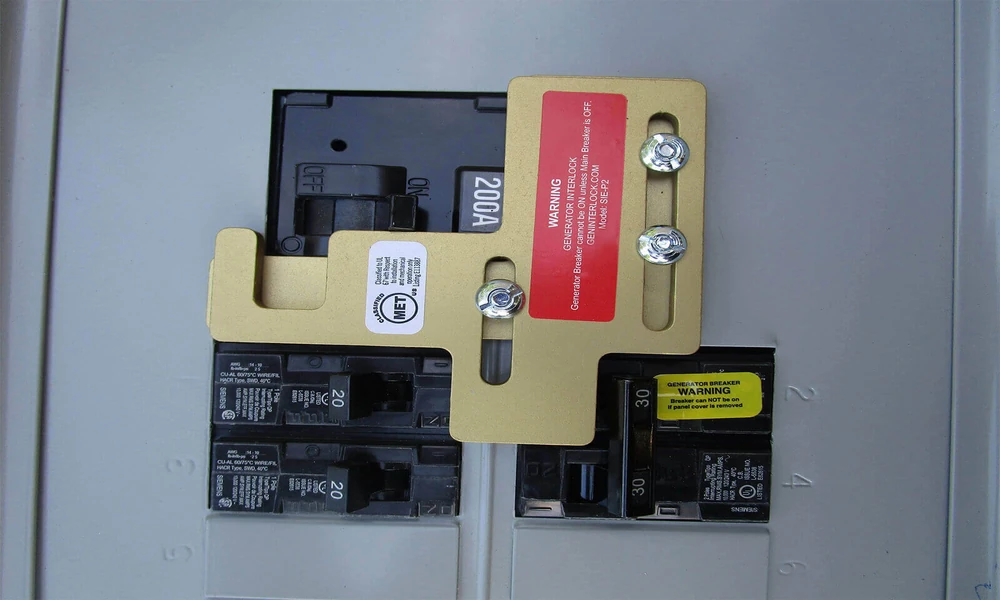
A properly installed portable generator interlock kit can provide a convenient way to connect a compatible portable generator to selected circuits through the home’s electrical panel. The important part is making sure the electrical panel, generator, inlet, wiring, and planned electrical loads all work together safely.
When it comes to adding a portable generator interlock kit for an affordable backup power solution, homeowners in Buda, Texas can work with Tejas Electric for professional electrical services.
Start With the Electrical Panel Before Buying a Generator
One of the easiest mistakes a homeowner can make is purchasing a portable generator first and figuring out the electrical connection afterward.
The electrical panel should be evaluated before selecting the generator or interlock equipment. The panel’s age, condition, available capacity, breaker configuration, wiring, and compatibility with the proposed installation can all affect the project.
An Texas licensed electrician can look at the existing electrical system and determine whether the panel is a good candidate for a generator inlet and interlock arrangement. In some homes, the installation may be relatively straightforward. In others, the homeowner may discover that an older panel, crowded wiring, outdated equipment, or other electrical concerns should be addressed first.
This evaluation also gives homeowners an opportunity to think about what they actually want to power during an outage.
A generator does not necessarily need to run every electrical device in the house. In fact, trying to power everything at once may be unrealistic with a portable generator.
The better approach is often to identify the circuits that matter most and develop a backup-power plan around them.
Buda Homes Can Have Significant Electrical Demands
Electrical demand has changed considerably in newer homes.
A house that might once have been designed around a relatively simple collection of appliances may now have an EV charger, multiple televisions, networking equipment, smart-home devices, several computers, larger HVAC equipment, pool equipment, outdoor lighting, and numerous other electrical loads.
That can make generator planning more complicated.
EV Chargers
Electric vehicles can require substantial electrical power while charging. Depending on the charger and vehicle, an EV charging circuit can consume a significant portion of a portable generator’s available capacity.
That does not necessarily mean an EV charger can never be part of a backup-power strategy. It means the homeowner and electrician should decide whether vehicle charging is actually a priority during an outage.
For many families, keeping refrigeration, basic lighting, internet equipment, security systems, and selected HVAC equipment operating may be more important than charging an EV.
Smart-Home Equipment
Many Buda homes have smart thermostats, cameras, doorbells, Wi-Fi systems, smart locks, lighting controls, and other connected equipment.
Each individual device may use relatively little electricity, but the collection of equipment can become important because these systems are increasingly relied upon for communication, security, comfort, and convenience.
A backup-power plan should account for networking equipment and other devices that need to remain operational if homeowners want their smart-home systems to continue functioning.
Pools and Outdoor Equipment
Pool pumps, heaters, automation equipment, and other outdoor electrical loads can also affect generator planning.
A pool pump may not be considered an emergency load, but homeowners may have specific reasons for wanting it available during an extended outage. The important thing is to make that decision before an emergency rather than discovering during an outage that the generator cannot handle the combined demand.
Home Offices
Working from home adds another consideration.
Computers, monitors, routers, printers, charging stations, and other office equipment may be essential for someone who needs to continue working during an outage. A homeowner who works remotely may therefore prioritize an office circuit differently than someone who works outside the home.
Larger HVAC Systems
Heating and cooling are often among the biggest electrical considerations.
A portable generator may not be capable of operating an entire central HVAC system depending on its size and the equipment’s starting and running requirements. Air conditioners can have significant startup demands, which means simply looking at the normal running wattage does not tell the whole story.
An electrician can help homeowners determine what their HVAC system requires and whether it makes sense to include it in the backup-power plan.
Which Circuits Should Be Prioritized?
Once the electrical system has been evaluated, the next question is simple:
What do you actually need during an outage?
There is no single answer for every Buda household.
A practical priority list might include:
- Refrigerator and freezer
- Selected lighting circuits
- Internet modem and router
- Security equipment
- Garage door opener
- Medical equipment, when applicable
- Home office equipment
- Selected kitchen outlets
- Sump or drainage equipment, where applicable
- Selected heating or cooling equipment
- Essential communication and charging equipment
Other circuits may be intentionally left off the emergency-power plan.
For example, an electric water heater, electric dryer, large pool heater, EV charger, and other high-demand equipment may consume enough power that running them simultaneously would place too much demand on a portable generator.
The goal is not necessarily to make the house operate exactly as it does under normal utility power. The goal is to maintain the circuits that matter most while keeping the generator within its intended operating capacity.
Matching Generator Capacity With Household Demand
Generator sizing is one of the most important parts of the process.
A homeowner might see a generator advertised with a particular wattage rating and assume that number represents exactly how much electricity is available for every appliance at all times. In reality, generator capacity involves both running loads and startup loads.
Motors and compressors can require additional power when they start. Refrigerators, pumps, HVAC equipment, and other motor-driven equipment can therefore affect the total demand differently than a simple light bulb or electronic device.
This is one reason an electrical evaluation can be helpful before purchasing a generator.
Tejas Electric can help homeowners think through the electrical loads they want available during an outage and how those loads relate to the proposed generator capacity.
The objective is to avoid buying a generator that is unnecessarily large while also avoiding a generator that cannot handle the circuits the homeowner expects to use.
Portable Generator Interlock Kits vs. Whole-Home Standby Generators
A portable generator interlock system and a permanently installed standby generator serve similar basic purposes, but they approach backup power differently.
A portable generator setup can be attractive to homeowners who want a lower-cost backup option and are comfortable with the additional responsibilities that come with operating a portable generator.
The generator itself is generally stored separately and brought out when needed. Fuel management, starting the generator, positioning it safely, and connecting it properly are all part of the homeowner’s responsibilities.
A whole-home standby generator works differently. It is permanently installed and designed to start automatically when utility power is interrupted. It can provide a more automated backup-power experience, but the equipment and installation can represent a substantially larger investment.
For some homeowners, the portability and lower initial equipment cost of a portable generator make sense. Others may place greater importance on automatic operation and more extensive backup coverage.
The right choice depends on the home’s electrical demands, the homeowner’s budget, desired convenience, and expectations for backup power.
Why a Generator Inlet Matters
A generator inlet provides a designated connection point between the portable generator and the home’s electrical system.
Rather than running multiple extension cords through doors and windows to individual appliances, a properly designed setup can allow the generator to feed the home’s electrical panel through a dedicated connection.
The location of the inlet is worth considering carefully.
Homeowners may want the connection point positioned somewhere that makes sense for where the portable generator will be operated while maintaining the required separation from the home and openings. Cable routing, generator placement, accessibility, and safety should all be considered during installation.
An electrician can evaluate the property and determine an appropriate location based on the home’s layout and the electrical equipment being installed.
Surge Protection Should Be Part of the Conversation
Backup power isn’t only about keeping appliances running.
Modern homes contain a surprising amount of sensitive electronics. Televisions, computers, networking equipment, smart-home hubs, security systems, appliances, and other electronic devices can all be affected by electrical disturbances.
A whole-home surge protector can be considered as part of a broader electrical protection strategy. It is not a substitute for proper generator installation, and it does not eliminate every possible electrical risk, but it can provide an additional layer of protection for connected equipment.
Homeowners who are already investing in backup power may want to discuss surge protection with their electrician at the same time.
What Happens When You Add More Electrical Loads Later?
This is an important issue that sometimes gets overlooked.
Suppose a homeowner installs a generator interlock system today. A few years later, they purchase an EV and install a Level 2 charger. Or perhaps they add a pool, remodel the kitchen, build a detached office, install additional HVAC equipment, or make another major electrical upgrade.
Those changes can affect the home’s overall electrical demand.
The generator and interlock system don’t automatically become more capable just because the house has gained additional electrical capacity.
Before adding major loads, homeowners should revisit their backup-power strategy. The electrician may need to evaluate whether the new circuit should be included in the emergency plan, whether certain circuits should be excluded, or whether the generator itself should be reconsidered.
Plan for Future Electrical Upgrades
Backup power planning should not be limited to what is installed today.
If a homeowner knows that an EV charger, pool, workshop, home addition, or other significant electrical project may be coming in the next few years, mentioning that plan during the initial generator-interlock consultation can be useful.
It may influence decisions about the panel, generator inlet location, circuit planning, and overall system configuration.
Thinking ahead can help prevent a situation where a homeowner installs an interlock system and then has to rethink the entire backup-power setup after making a major electrical upgrade.
Can a Handy Homeowner Install a Generator Interlock?
This is where homeowners should be particularly careful.
Installing an interlock kit isn’t simply a matter of attaching a bracket to the electrical panel. The project can involve working inside an energized electrical panel, installing a generator inlet, connecting conductors, installing or modifying breakers, and making sure the equipment operates correctly together.
A mistake can create a serious electrical hazard.
There are also requirements surrounding electrical work, permits, equipment compatibility, grounding and bonding, and local requirements that need to be considered.
A person who is comfortable with home improvement projects may be perfectly capable of installing shelving, replacing trim, or tackling other DIY projects. That does not necessarily mean they should work inside a home’s electrical panel.
For this type of installation, it is best to leave the electrical work to a properly qualified and licensed electrician familiar with Texas electrical requirements and local practices in Buda.
A professional installation can also give the homeowner an opportunity to have the entire backup-power plan evaluated instead of treating the interlock as an isolated component.
Prepare Before Severe Weather Arrives
The worst time to figure out how your backup-power system works is after the power has already gone out.
Homeowners can prepare ahead of severe weather by identifying essential circuits, checking the condition of the electrical panel, determining whether a portable generator makes sense for their needs, and discussing generator inlet and interlock options with an electrician.
It is also worth knowing where the generator will be stored, how it will be connected, what fuel it requires, and which appliances should remain off during an outage.
Portable generators must always be operated outdoors and away from doors, windows, and other openings because of the risk of carbon monoxide exposure. Homeowners should follow the generator manufacturer’s instructions and applicable safety requirements.
Having a plan before the storm arrives makes the situation much less stressful.
Building a Practical Backup-Power Strategy for Your Buda Home
A portable generator interlock kit can be an effective part of a backup-power strategy, but the interlock itself is only one piece of the puzzle.
The electrical panel, generator capacity, generator inlet, prioritized circuits, surge protection, current electrical loads, and future plans all deserve consideration.
Buda homeowners may have very different electrical needs depending on the age and size of their homes. A newer home with an EV charger, pool, smart-home equipment, large HVAC system, and home office may require a very different backup-power strategy than a smaller home with more modest electrical demands.
Tejas Electric can help Texas homeowners evaluate those needs and determine what makes sense for their electrical system.
Instead of purchasing a generator first and hoping everything works together afterward, homeowners can start with the electrical panel and build a backup-power plan around the equipment and circuits that matter most.
When severe weather causes an outage, having a plan already in place can make it much easier to keep essential parts of the home operating while utility power is unavailable.
For Buda, Texas homeowners considering a portable generator interlock, the smartest first step is to have the existing electrical system evaluated by a qualified electrician before purchasing equipment. That way, the generator, interlock, inlet, electrical panel, and household demands can all be considered together as part of one practical backup-power plan.
