

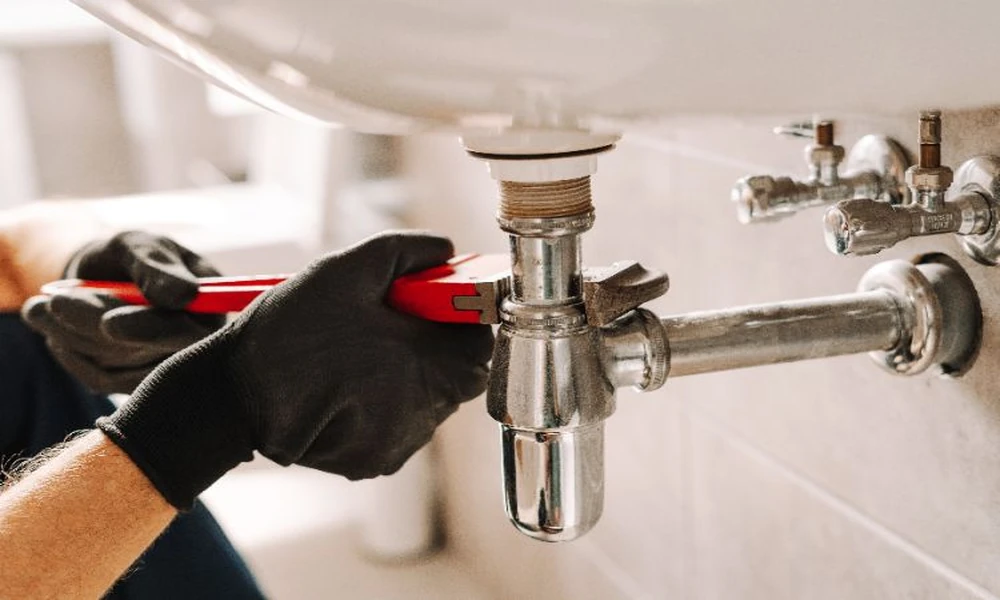
One slow bathroom sink usually feels like a small plumbing problem. The situation becomes more interesting when the shower starts draining slowly too, the toilet gurgles, or another sink begins backing up. Several fixtures acting differently at the same time may reveal much more about where a blockage sits.
Professional drain cleaning starts by identifying which fixtures are affected and how they react to one another. A clog close to one sink requires a different approach from a restriction farther along a shared drain or sewer line. Paying attention to these patterns gives the service visit a much better starting point.
Start by Counting the Affected Fixtures
The number of slow drains provides one of the simplest clues.
If one bathroom sink drains poorly while every other fixture works normally, the restriction may sit relatively close to that sink. Hair, soap residue, toothpaste, and other buildup often collect in smaller fixture drains.
Now compare that with a bathroom where the sink, shower, and toilet all begin acting differently.
Several fixtures showing symptoms together may point toward a shared section of drainage piping. The inspection may therefore move beyond the individual fixture much sooner.
Before service, make a quick list of every fixture behaving differently. Include slow drainage, bubbling, odors, or backups rather than mentioning only the fixture with the worst symptom.
Notice What Happens When Another Fixture Runs
Drain problems become especially useful to diagnose when one fixture affects another.
Flush the toilet and listen to the nearby shower drain. Run the sink and notice if another fixture bubbles. Pay attention when the washing machine releases water.
You do not need to repeatedly test a system that is already backing up. One observation is enough.
The important detail is the relationship.
If water use in one area consistently causes noise or movement somewhere else, the fixtures may share part of the same drainage path.
For local service information, visit professional drain cleaning services in Dunedin.
One Kitchen Sink May Still Be a Local Problem
Kitchen drains deal with a different mix of material from bathroom plumbing.
Food residue, soap, grease, and cooking oils may gradually coat the inside of a pipe. The drain may first become slightly slower, then begin holding water longer after dishes are washed.
If the kitchen sink is the only affected fixture, the blockage may remain within that branch of the plumbing system.
Pay attention to how quickly the problem returns after temporary clearing.
A sink that works normally for months after service presents a different pattern from one that slows down again within days.
Recurring trouble suggests that material may remain deeper in the pipe or that the line deserves a closer inspection.
Several Bathroom Fixtures Point Farther Downstream
Bathroom fixtures often connect to common drainage piping.
When a sink, toilet, and shower begin having trouble around the same time, looking only at the sink trap may miss the larger pattern.
Watch for gurgling sounds and water moving where it should not.
A toilet flush that creates bubbling in the shower drain is especially useful information to share with the technician.
Professional drain cleaning should follow these relationships before equipment enters the line. Knowing which fixtures connect to the problem reduces unnecessary guessing.
Gurgling Often Appears Before a Backup
Water is not the only thing moving through drainpipes. Air also needs space to travel through the plumbing system.
A restriction may interfere with that movement.
The result may be bubbling or gurgling from a sink, toilet, tub, or floor drain as water moves through another part of the system.
Note when the sound happens.
A drain that gurgles randomly provides less information than one that consistently reacts whenever another specific fixture is used.
These sounds often appear before wastewater starts backing into a fixture, making them worth paying attention to early.
Main-Line Problems Create a Wider Pattern
The farther downstream a blockage sits, the more fixtures it may affect.
A restriction in a main drain or sewer line may eventually create slow drainage, odors, gurgling, or backups across several parts of the property.
The U.S. Environmental Protection Agency explains that sewer blockages may result from fats, oils, grease, certain household products, tree roots entering through damaged areas, and other system problems. Its information on sanitary sewer overflows also notes that sewer cleaning and maintenance are important for reducing avoidable blockages and overflows.
This does not mean every group of slow drains indicates a sewer-line failure. It means widespread symptoms deserve a broader investigation than one clogged sink.
Grease Changes the Inside of a Pipe Gradually
Kitchen grease rarely creates a complete blockage the first time it enters a drain.
Instead, oily material may cling to the inside of the pipe. Additional food residue and debris then collect against that surface.
The passage becomes narrower over time.
Water may still move through initially, which makes the buildup easy to ignore. Eventually, drainage slows enough to become noticeable.
The EPA specifically identifies fats, oils, and grease as materials associated with sewer blockages.
Keeping cooking grease out of drains reduces one common source of this gradual accumulation.
Tree Roots Create a Different Type of Obstruction
Underground sewer piping faces conditions that interior drains do not.
If roots reach a defect or opening in a buried sewer line, they may enter the pipe and continue growing in the moist environment.
The EPA identifies tree-root intrusion through sewer defects as another cause of blockages.
A root-related problem will not behave exactly like soap buildup near a bathroom sink.
This is another reason the location of symptoms matters. Repeated trouble across several fixtures may lead the inspection farther downstream, where the condition of the sewer line becomes more relevant.
Hydro Jetting and Basic Clearing Serve Different Purposes
Not every blockage requires the same cleaning method.
A relatively simple obstruction may respond to mechanical drain equipment. Heavy grease, sludge, and accumulated material along pipe walls may call for a different approach.
Hydro jetting uses high-pressure water to remove buildup from inside drainage lines. Dunedin Drain Cleaning Experts currently lists hydro jetting among its services for heavy grime and sludge, alongside main drain and sewer line cleaning.
The method should fit the condition of the line.
Professional drain cleaning begins with identifying the likely location and type of obstruction rather than automatically choosing the most aggressive equipment.
Store Products May Change the Symptom Without Removing the Cause
A chemical product may appear to work when a slow drain begins moving again.
That improvement does not always mean the pipe is fully clear.
Liquid may create a small passage through buildup while leaving a substantial amount of material attached to the pipe walls.
The slowdown may then return.
Mixing different drain products also creates unnecessary safety concerns. If a chemical has already been used, tell the technician before work begins.
Knowing what has entered the drain matters when equipment will be placed into the same line.
Commercial Properties Reveal Patterns Faster
Businesses often put much heavier demands on drainage systems than residences.
Restaurants deal with food residue and grease. Offices and retail properties have restrooms used repeatedly throughout the day. Floor drains may collect material from regular cleaning and operations.
A developing restriction may therefore become noticeable much faster.
Record which drains slow down first and when the symptoms appear.
A restaurant floor drain that backs up during the busiest period may provide useful information about how the drainage system responds under heavier flow.
Dunedin Drain Cleaning Experts currently lists commercial drain cleaning, floor drain service, hydro jetting, and sewer inspections among its commercial services.
Outdoor Drains Create Their Own Clues
Drain problems also happen outside the building.
Leaves, soil, landscaping debris, and other material may collect around storm drains. When water cannot move through the system efficiently, puddles may remain around driveways, walkways, or other outdoor areas.
Notice whether standing water repeatedly appears around the same drain after rain.
Surface debris may sometimes be visible, while deeper material requires proper cleaning equipment.
Outdoor drainage should be treated separately from sanitary plumbing, but the same basic principle applies: the number and location of affected areas provide clues about where the restriction sits.
The Final Test Should Match the Original Problem
A cleaned drain should be tested after the blockage is removed.
If one sink was slow, run water through that fixture. If several bathroom fixtures were interacting, check the related drains again.
The test should recreate the original situation closely enough to see if the symptom has changed.
Dunedin Drain Cleaning Experts states that its services cover main drains, sewer lines, hydro jetting, storm drains, kitchen drains, and bathroom drains, allowing the service method to match the location of the problem.
Testing completes the connection between the work performed and the problem that led to the appointment.
Follow the Pattern Before the Water Backs Up
One slow fixture may point toward a nearby obstruction. Several fixtures slowing down, bubbling, or reacting to each other may move the investigation farther into the drainage system.
Good drain cleaning follows that pattern before the problem turns into standing water or a larger backup. Fixture location, recurring symptoms, gurgling, grease buildup, and sewer-line conditions all provide information about where the restriction may sit.
If drains around your property keep slowing down, several fixtures are starting to react together, or previous clogs keep returning, contact Dunedin Drain Cleaning Experts to have the affected lines inspected and discuss the cleaning method that fits the problem.
