

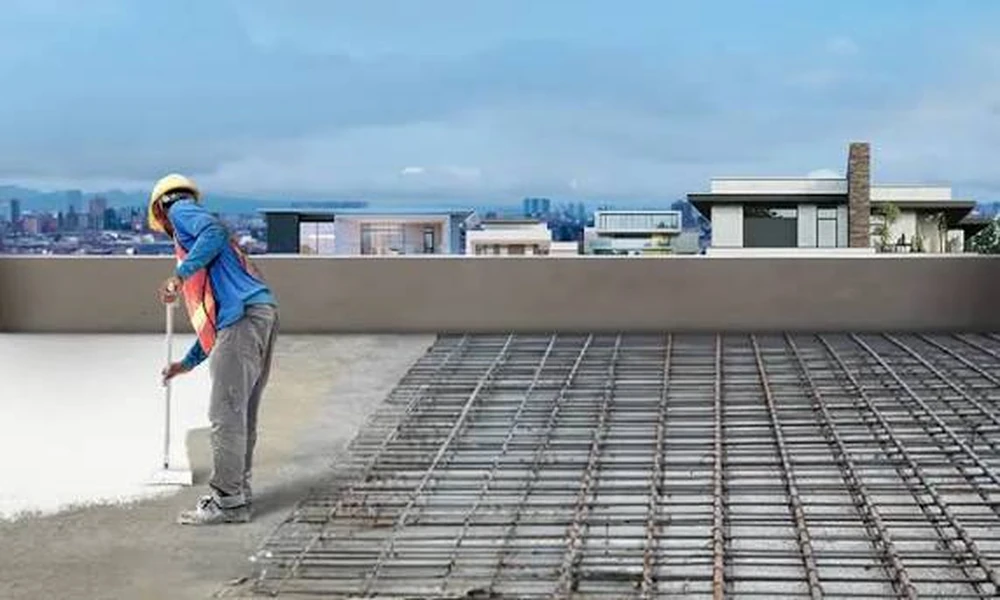
Choosing a roof waterproofing system is usually treated as a product decision: pick a membrane, compare prices, sign the quote. In practice, the roof itself makes most of the decision for you. The structure, the slope, how the roof is used and how water drains from it narrow the field long before brand names come into it. Good roof waterproofing solutions start from those facts, and a system that suits a flat concrete roof can fail quickly on a metal one.
Start With the Roof Type
Singapore buildings broadly have three kinds of roof: flat reinforced concrete roofs, pitched roofs with clay or concrete tiles, and metal sheet roofs common on landed homes, factories and warehouses. Each moves, drains and weathers differently. Concrete slabs crack as they expand and contract in the heat, tiled roofs leak at broken or slipped tiles and underlay, and metal roofs leak at screws, laps and flashings rather than across the sheet.
Membranes for Flat Concrete Roofs
Flat roofs carry the most waterproofing because water sits on them longer. The main options each have a different profile:
- Torch-on bituminous membranes, which are thick, tough and suited to roofs that carry equipment or foot traffic
- Liquid-applied polyurethane coatings, which form a seamless layer and follow awkward shapes around pipes and plinths
- Cementitious coatings, which are economical but less flexible, so they are better under tiles or screed than exposed
- Acrylic coatings, often used as a reflective top layer to reduce heat on the roof surface
Options for Pitched and Metal Roofs
Pitched tiled roofs depend mostly on the underlay beneath the tiles, so repairs often mean lifting tiles, replacing damaged underlay and refixing or replacing broken pieces. Metal roofs are treated at the weak points: replacing corroded screws and washers, sealing laps, renewing flashings and, where rust has spread, applying an elastomeric coating designed for metal. Coating a metal roof without fixing loose fasteners first simply hides the problem for a season.
How the Roof Is Used Matters
A roof terrace with planters and furniture needs a system that tolerates foot traffic and will sit under a protective finish. A roof that holds air-conditioning condensers or water tanks needs reinforcement around the plinths, where vibration and point loads crack weaker coatings. A roof that nobody walks on can take a lighter, exposed coating. Telling the contractor how the space is used is one of the most useful things an owner can do.
Drainage Before Coatings
No membrane enjoys standing water. Ponding after rain points to poor falls or blocked outlets, and the fix is to correct the slope with screed or clear and enlarge the drains. Choosing roof waterproofing solutions without dealing with ponding shortens the life of whichever product goes on, because every system degrades faster under water that never drains away. Check gutters, outlets and downpipes as part of the same job.
Climate Stress in Singapore
Roofs here face intense ultraviolet exposure, heavy tropical downpours and daily heating and cooling. Ultraviolet light breaks down unprotected bituminous and some polymer layers, which is why many systems need a reflective or protective top coat. Heavy rain finds every gap at once, so detailing at edges, parapets and penetrations matters as much as the membrane in the middle of the roof. Products should be specified for exposed tropical use, not just for general waterproofing.
What to Check in a Quote
A good quotation tells you what will happen to the roof, not just what it costs. Look for:
- The named system and its thickness or number of coats
- How the existing surface will be prepared, including removal of failed layers
- How edges, upstands, drains and pipe penetrations will be detailed
- Whether a ponding or flood test is included after completion
- The length and conditions of the warranty
Repair or Replace the Whole System
Not every leak needs a full new roof. If an existing membrane is mostly sound and the leak traces to a damaged joint or penetration, a targeted repair is reasonable. If the membrane is blistering, peeling or cracked across large areas, patching only moves the leak. A moisture survey or test area helps settle the question, and it is worth paying for on larger roofs where the cost of getting it wrong is high.
Maintenance After Installation
Even the right system needs looking after. Clear leaves and debris from outlets regularly, especially before the monsoon months, and inspect around equipment after any servicing work, since technicians sometimes damage coatings. Reapply protective top coats on the schedule the manufacturer sets. A short inspection once or twice a year catches small defects before water reaches the structure below.
Making the Final Choice
Narrow the options in order: the roof type, then how the roof is used, then drainage, then budget. Ask each contractor to explain why their system suits your specific roof and what they would do about drainage and detailing. If two quotes recommend completely different approaches, ask each to comment on the other, because the explanations usually reveal who actually inspected the roof. A specialist in flat and pitched roof leak repair should be able to justify the system in terms of your building rather than the product brochure.
