

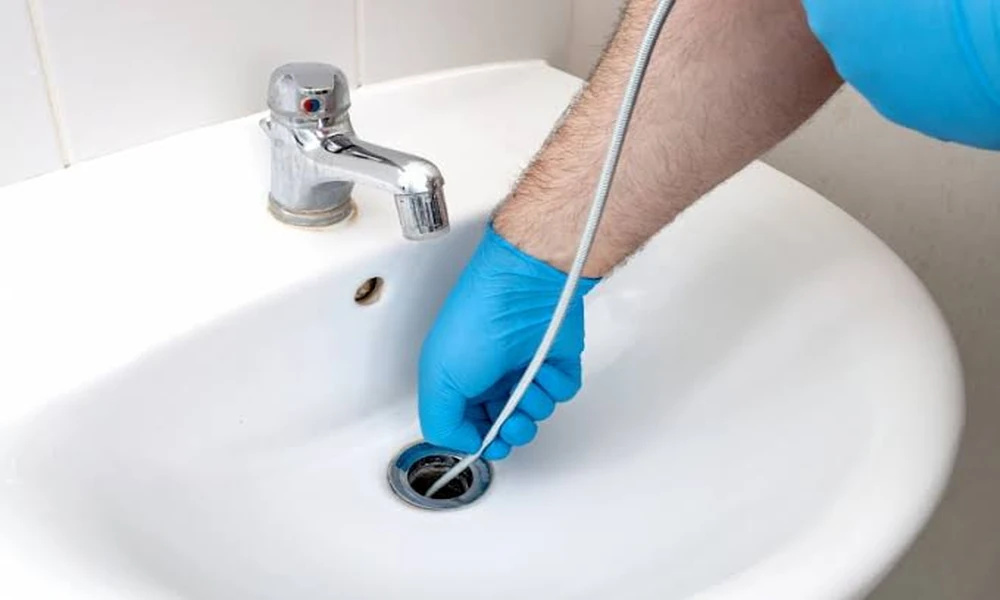
A slow drain is easy to ignore. The sink empties a little late, the shower leaves an inch of water around your ankles, and you tell yourself you will deal with it later. But a drain that runs slowly is a drain that is partly blocked, and a partial blockage usually becomes a full one at the worst possible time. Knowing what causes clogs, which cleaning methods work for which problems, and when to stop experimenting can save you money and prevent water damage.
This guide is general information. Plumbing systems and local codes vary, so a licensed plumber should assess your specific situation.
Why Drains Clog
Most clogs come from a small set of causes, and which one you have depends on where in the house it appears.
Kitchen drains clog mainly from grease, oils, and food particles. Fats are liquid when hot and solidify as they cool inside the pipe, where they catch other debris and build up layer by layer. Coffee grounds, eggshells, and starchy foods like pasta and rice add to the mass.
Bathroom sinks and tubs clog from hair, soap scum, and toothpaste residue. Hair binds with soap film and forms a dense mat that traps more material over time.
Toilets clog from excess paper, products labeled flushable that do not break down like toilet paper, and items that should never be flushed, such as wipes, cotton products, and dental floss.
Main sewer lines clog or fail for different reasons: tree roots entering through small joints, pipes that have shifted or collapsed, buildup over decades, and belly sections where a pipe has sagged and collects waste.
Reading the Symptoms
Where the problem shows up tells you a lot about where the blockage sits.
- One fixture drains slowly. The clog is probably in that fixture’s own drain or trap.
- Several fixtures drain slowly at the same time. The blockage is likely further along in a branch line or the main line.
- Gurgling sounds from drains or toilets. Air is being displaced by a partial blockage or a venting problem.
- Water backing up in a lower fixture when you run an upper one. For example, the shower fills when the washing machine drains. That usually points to the main line.
- Sewage odors or backups in the lowest drains of the house. This suggests a main line problem that needs prompt attention.
- Wet or unusually green patches in the yard. A damaged sewer lateral may be leaking underground.
Cleaning Methods Compared
Not every method fits every clog, and using the wrong one can make things worse.
Plunging. A plunger works well on toilets and many sink and tub clogs. Use the right type: a cup plunger for flat surfaces like sinks and a flange plunger for toilets. It is low-risk and a good first step for a nearby, soft blockage.
Manual drain snakes. A hand-cranked auger can pull out or break up hair and soft clogs in sink and tub drains. They work best on nearby blockages. Pushing too hard or cranking carelessly can scratch pipes or push a clog further in.
Mechanical rodding. Plumbers use powered augers with cutting heads to clear tougher blockages, including roots. This opens a channel through the clog, but it does not always scrape the pipe walls clean, so buildup can return.
Hydro jetting. This method uses high-pressure water streamed through a nozzle to scour the inside of the pipe. It can remove grease, scale, and soft debris from the pipe walls, and it can clear roots, though pipes with roots often need follow-up attention to prevent regrowth. Jetting is best done by trained professionals, because pressure that suits sturdy pipes can harm fragile or damaged ones, which is why an inspection before jetting is wise.
Enzymatic and bacterial cleaners. These products can help prevent slow buildup of organic matter in lightly used drains. They work gradually and are better for maintenance than for clearing a serious clog.
Chemical drain cleaners. These deserve caution. Harsh chemicals can generate heat and fumes, damage some pipes and fixtures, and be hazardous if they splash on skin or eyes. They can also sit in a stubborn clog, creating a dangerous situation for the next person who works on it. They should never be mixed with other products. If a chemical cleaner has been used and a plumber is called, tell them so they can take precautions.
Why a Camera Inspection Matters
Guessing at the cause of a recurring clog is expensive. A video inspection sends a small waterproof camera through the pipe, so a technician can see the actual condition of the line. It can reveal grease buildup, intruding roots, cracked or collapsed sections, misaligned joints, and sagging stretches, and it can locate a problem’s depth and position.
Camera inspections are especially useful when you have repeated clogs, when buying an older home, before a major landscaping or remodeling project, and before deciding between cleaning and replacement.
Prevention Habits That Work
Most drain trouble can be reduced with simple daily habits.
- Collect cooking grease in a container and throw it in the trash instead of pouring it down the sink.
- Scrape plates into the trash or compost before washing.
- Use drain strainers in showers, tubs, and kitchen sinks, and empty them regularly.
- Flush only toilet paper and human waste, and keep wipes and hygiene products out of the toilet, even when the packaging says flushable.
- Run hot water for a short while after washing greasy dishes.
- Avoid planting thirsty trees and shrubs over or near the sewer line.
- Treat a slow drain early, before it becomes a complete blockage.
For background on how grease and other debris contribute to sewer problems, the U.S. Environmental Protection Agency provides information on sanitary sewer overflows, including common causes and why preventing blockages matters.
When to Stop and Call a Professional
Some situations are beyond a plunger and a bottle of cleaner. Call a plumber if:
- More than one fixture is draining slowly or backing up
- A clog returns soon after you clear it
- You smell sewage or see water backing up in floor drains or low fixtures
- You hear gurgling in several places
- The problem began after a heavy rain, root growth, or ground movement
- You have already tried a plunger and snake without success
- You suspect a collapsed or damaged pipe
Waiting can turn a manageable clog into a sewage backup, which is a health hazard and is costly to clean up.
Choosing a Drain Specialist
When you need help, look for a company that diagnoses before it treats. If you are searching for local service, you could contact Jetterman Plumbing-Drain Specialist to ask about drain cleaning and camera inspection. Whichever company you consider, these questions help you compare:
- How will you determine the cause of the clog, and will you use a camera?
- Which cleaning method do you recommend for my situation, and why?
- Will you show me the inspection footage and explain what it shows?
- Is the price quoted up front, and what is included?
- What warranty or follow-up do you offer if the clog returns?
- Are your technicians licensed and insured?
Ask for a written estimate, and be cautious about anyone who recommends replacing a pipe without showing you evidence.
Key Takeaways
A slow drain is an early warning, not an inconvenience to put up with. Kitchen drains clog mainly from grease, bathroom drains from hair and soap, and main lines from roots, age, and pipe damage. Plunging and hand snaking handle simple blockages, while hydro jetting and mechanical rodding are for tougher or recurring ones, and a camera inspection shows what is actually going on. Build a few prevention habits, treat slowdowns early, and call a licensed professional when the signs point beyond a single fixture.
