

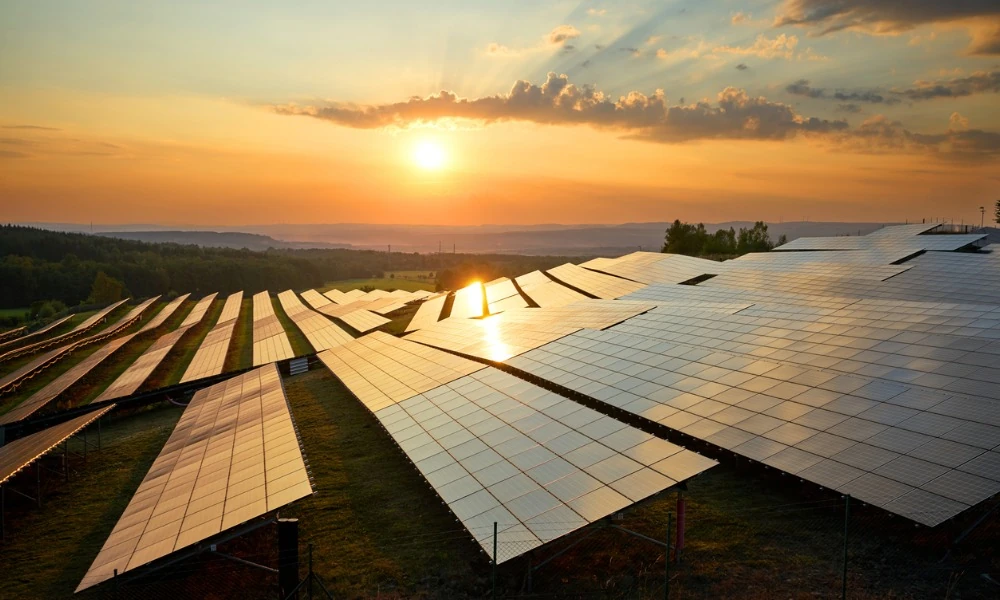
Moving a property toward solar-generated electricity involves several practical stages, beginning with an assessment of current energy use and continuing through installation, connection, and ongoing monitoring. Perth solar panels can form part of this transition by converting available sunlight into electricity for household use. Understanding each stage can help property owners prepare for the changes involved in adopting solar power.
Reviewing Existing Electricity Consumption
The first step is to understand how much electricity the property currently uses. Recent electricity bills can provide information about average consumption and seasonal variations.
Daily energy habits can also reveal when electricity demand is highest. Heating, cooling, water heating, refrigeration, and other household appliances may contribute significantly to overall consumption. Reviewing these patterns helps establish a clearer basis for planning a solar energy system.
Assessing the Property for Solar
The property itself needs to be assessed to determine whether the available space is suitable for solar equipment. Roof size, orientation, angle, condition, and exposure to sunlight can all influence potential energy generation.
Shading is another important consideration. Trees, neighbouring buildings, chimneys, and other structures may reduce sunlight reaching the panels during certain periods. The available installation area should therefore be reviewed carefully before the system is designed.
Designing the Energy System
Once energy consumption and property conditions have been assessed, the solar system can be designed around the available requirements. The planned capacity should correspond with household electricity use and the amount of suitable installation space.
The design may include solar panels, an inverter, mounting equipment, electrical connections, and monitoring components. Depending on the property’s needs, other equipment may also be considered as part of the overall energy system.
Preparing for Installation
Preparation helps ensure that the property is ready for the installation work. The roof and proposed mounting areas may be checked for suitable condition, while access to the installation area should be arranged.
Equipment locations, cable routes, and electrical connection points can also be identified during preparation. Addressing these practical details before installation can help the work proceed in an organized manner.
Connecting Solar Generation to the Property
Once the solar equipment has been installed, the system needs to be connected so that the generated electricity can be used within the property. Solar panels produce electricity when exposed to sunlight, while the inverter converts that electricity into a form suitable for household appliances.
The electrical connections should be checked carefully to ensure that the system operates correctly. Any required connection with the property’s existing electrical infrastructure should also be completed according to applicable requirements.
Monitoring Energy Production Over Time
After the system becomes operational, monitoring its energy production can help property owners understand how it performs. Monitoring equipment may provide information about electricity generation at different times of the day and across different periods.
Production can vary because of sunlight conditions, weather, shading, and seasonal changes. Reviewing performance information can help identify unusual changes and provide useful insight into how the solar system is contributing to the property’s electricity needs.
Supporting a Practical Energy Transition
Switching toward solar power is a process that involves reviewing electricity consumption, assessing the property, designing an appropriate system, preparing for installation, connecting the equipment, and monitoring production. Considering each stage carefully can help create a solar setup that fits the property’s energy requirements and operating conditions.
